How to burn body fat without falling for shortcuts
Body fat decreases when your body consistently uses more energy than you consume, but the best plan is not simply to eat as little as possible. A sustainable approach combines a manageable calorie deficit with filling food, resistance training, regular movement, adequate sleep, and progress checks that look beyond the scale. Waist changes, average weight, energy and strength can move at different speeds; use more than one indicator of progress.
What fat burning actually means
Your body continually stores and releases energy. During a calorie deficit, it must draw more heavily from stored tissue, including body fat; individual workouts and foods can influence short-term fuel use, but total fat loss is determined over days and weeks.
Sweating, feeling warm, or seeing a lower number after a workout does not prove that substantial fat was lost. Those immediate changes often reflect water loss, while meaningful changes in body fat develop gradually.
- Fat oxidation during one workout is not the same as long-term fat loss.
- A food or supplement cannot selectively remove fat from the abdomen.
- Severe restriction can increase hunger, fatigue, muscle loss, and the likelihood of regaining weight.
Use more than one progress measure
Track a weekly average weight rather than reacting to one weigh-in. Waist measurements, clothing fit, gym performance, energy, and adherence provide additional context because hydration, sodium, digestion, and menstrual cycles can move scale weight temporarily.
The highest-impact fat-loss habits
Meals built around protein, high-fiber plants, and minimally processed staples tend to control hunger better than liquid calories and snack foods. You do not need to eliminate carbohydrates or dietary fat; portions and total intake matter more than assigning one nutrient all the blame.
Resistance training helps preserve or build muscle while weight is coming down. Cardio and ordinary movement, such as walking, add energy expenditure and improve fitness without requiring punishing daily workouts.
- Include a practical protein source at each main meal.
- Make vegetables, fruit, beans, or whole grains routine sources of fiber.
- Strength-train major muscle groups at least twice weekly when medically appropriate.
- Work toward at least 150 minutes of moderate aerobic activity per week, adjusting for fitness and health.
- Keep high-calorie drinks and alcohol occasional rather than automatic.
Choose repeatable changes
A useful plan should still work on busy weekdays, weekends, and restaurant nights. Start with one food change and one activity change you can repeat for two weeks before adding complexity.
Supplements for How To Burn Fat

LivPure
LivPure brings together silymarin, berberine, betaine and choline in a formula aimed at liver wellness, energy metabolism and cellular antioxidant defense. The blend emphasizes a healthy liver environment for processing fats and nutrients, with green-tea polyphenols contributing additional plant antioxidants. For how to burn fat, its silymarin, betaine and choline emphasize healthy liver function and normal handling of dietary fats.

Ikaria Juice
The Ikaria Juice drink mix contains turmeric, milk thistle, green-tea extract and fruit polyphenols, plus fiber and probiotics for gut balance. Its digestive blend supports beneficial gut organisms and regularity, alongside antioxidant-rich extracts from berries and green tea. For how to burn fat, the inulin and probiotic blend targets digestive comfort and an everyday gut-health routine.

Metabo Drops
The Metabo Drops liquid blends green-tea compounds and coffee-derived chlorogenic acid with L-carnitine, chromium and calming-focus L-theanine. Green tea and chlorogenic acid supply plant polyphenols, while chromium and L-carnitine give the formula its nutrient-metabolism focus. For how to burn fat, chromium and botanical polyphenols offer targeted nutrient-metabolism support in a coffee-friendly format.

Java Burn
Java Burn uses a coffee-mix format to deliver green tea, chlorogenic acid, L-carnitine, chromium and vitamins B6 and B12 for nutritional metabolism and energy. Green-tea catechins and green-coffee chlorogenic acids are its plant extracts, with chromium supporting normal carbohydrate, fat and protein metabolism. For how to burn fat, chromium and botanical polyphenols offer targeted nutrient-metabolism support in a coffee-friendly format.

HepatoBurn
HepatoBurn brings silymarin, glutathione, berberine and choline into a multi-ingredient formula for liver-related metabolic and antioxidant support. Its liver-support ingredients work alongside green-tea polyphenols and chlorogenic acid in a formula aimed at normal fat processing. For how to burn fat, its silymarin, betaine and choline emphasize healthy liver function and normal handling of dietary fats.
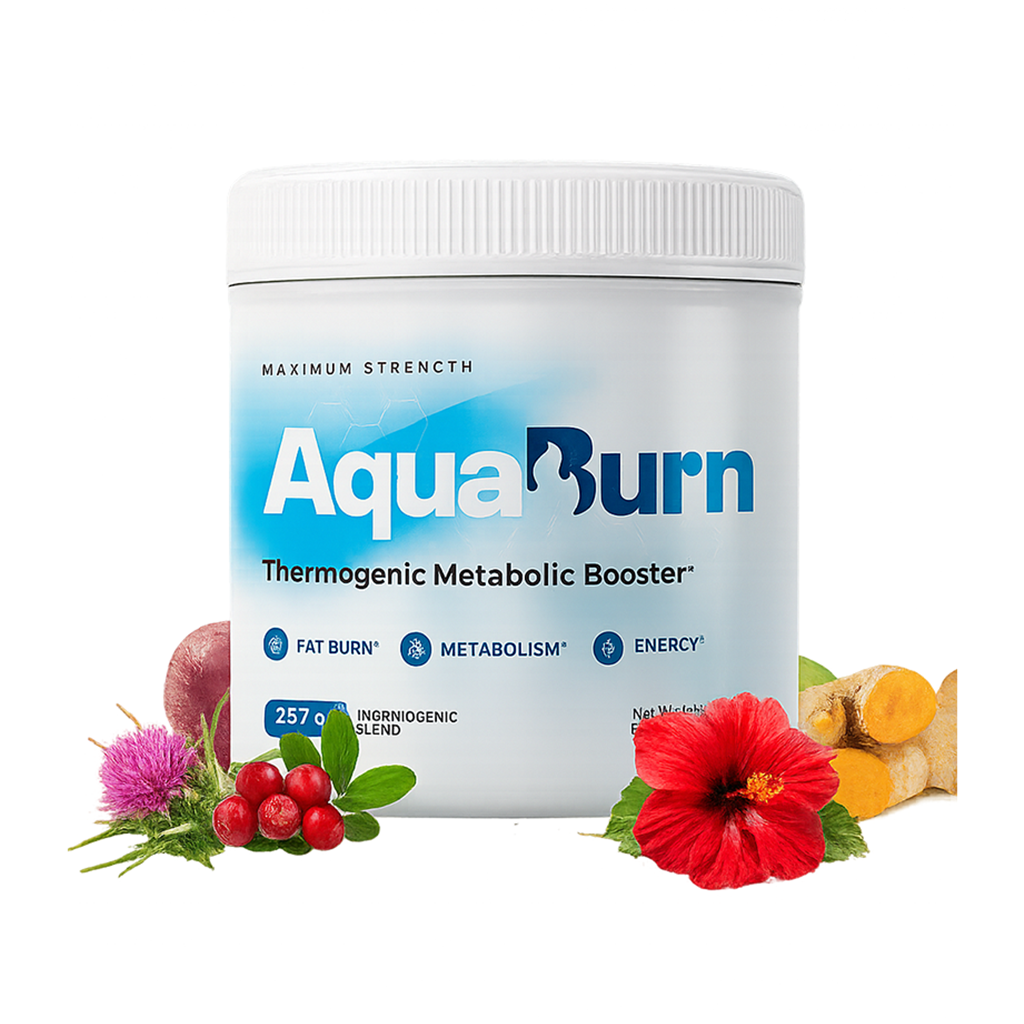
AquaBurn
AquaBurn combines green-tea catechins, resveratrol, fucoxanthin from seaweed, quercetin, ginger, ginseng and turmeric. Green-tea catechins and seaweed-derived fucoxanthin provide the formula’s thermogenesis-oriented angle, while ginger contributes digestive support. With how to burn fat, its green-tea or fruit polyphenols and selected botanicals provide a focus on energy and antioxidant wellness.

Flat Belly Shake
Flat Belly Shake is a powdered drink intended for a convenient, portion-conscious breakfast or snack routine. Its measured drink format is useful for setting a consistent portion, especially when breakfast is routinely skipped or replaced with unplanned snacks. For how to burn fat, the measured drink can contribute to portion planning when its nutrient panel suits the meal.

Nagano Tonic
Nagano Tonic is a powdered drink mix made with botanicals and nutrients including camu camu, green-tea EGCG, mangosteen, ginger and inulin. Its formula is promoted for daily metabolic, energy and digestive support; it is not a substitute for balanced nutrition or medical care. When comparing options alongside how to burn fat, review the ingredient label and seller terms before ordering.
A realistic rate of progress
Many adults use roughly one to two pounds per week as an upper practical benchmark, but smaller bodies, leaner people, and those close to their goal often lose more slowly. Early rapid changes commonly include water, especially after reducing sodium or carbohydrate intake.
If weight and waist measurements show no trend after three to four consistent weeks, adjust one variable: reduce a frequent calorie source, tighten portions, or add manageable activity. Avoid changing everything after a few fluctuating days. Water balance can mask fat-loss progress for several days, especially after salty meals, hard workouts or a change in carbohydrate intake.
- Judge trends over several weeks.
- Keep strength and protein intake in view as weight declines.
- Use the smallest adjustment that restarts progress.
- Plan maintenance periods if continuous dieting is becoming difficult.
When health guidance should come first
Talk with a clinician before deliberately losing weight if you are pregnant, breastfeeding, under 18, underweight, living with an eating disorder, or managing diabetes, kidney disease, liver disease, heart disease, or medications affected by food intake. Unexplained weight change, severe fatigue, fainting, persistent abdominal symptoms, or rapid swelling also warrants medical evaluation.
Weight-loss supplements can interact with medications or contain stimulants and undeclared ingredients. They should not replace evaluation of possible sleep, hormonal, medication-related, or mental-health factors that may be affecting appetite and weight.
- Seek urgent care for chest pain, fainting, severe shortness of breath, or signs of a serious allergic reaction.
- A registered dietitian can help create an appropriate calorie and nutrient plan.
- Clinicians can discuss evidence-based obesity treatment when lifestyle changes alone are insufficient.
Frequently Asked Questions
No single food overrides overall energy balance. Protein- and fiber-rich foods can make a calorie deficit easier to maintain, while caffeine may briefly increase alertness and energy expenditure, but neither produces major fat loss by itself.
No. Fasted exercise may change which fuel is used during that session, but it has not established a special long-term fat-loss advantage when total food intake is comparable. Train at the time and with the meal timing that supports consistency and performance.
Water retention can hide short-term fat loss, and energy needs may decline as body weight decreases. Confirm consistency for several weeks, review portions and drinks, preserve activity, and then make one modest adjustment.